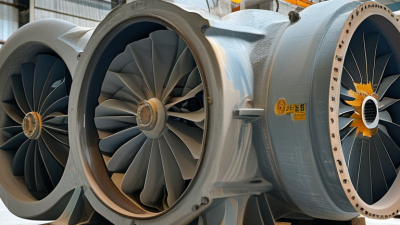
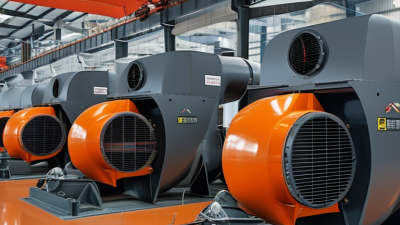
Why Choose an Oxidation Blower for Your Industrial Needs?
In the rapidly evolving world of industrial processes, selecting the right equipment is crucial. Experts believe that an Oxidation Blower is essential for improving efficiency and ensuring environmental compliance. Dr. Alan Greene, a renowned expert in industrial ventilation systems, states, "The right Oxidation Blower can transform waste management practices." This insight highlights its importance.
Oxidation Blowers play a critical role in many operations. They facilitate the treatment of volatile organic compounds and enhance air quality. Their design ensures optimal performance, reducing energy consumption while maximizing output. The choice of an appropriate blower can lead to substantial cost savings and compliance with strict regulations.
Many industries are still hesitant about upgrading their systems. This reluctance may stem from budget constraints or a lack of awareness of advanced technologies. However, investing in an efficient Oxidation Blower can yield long-term benefits. Industrial operators must recognize the significance of this technology. Embracing change can lead to improved operational standards and a sustainable future.
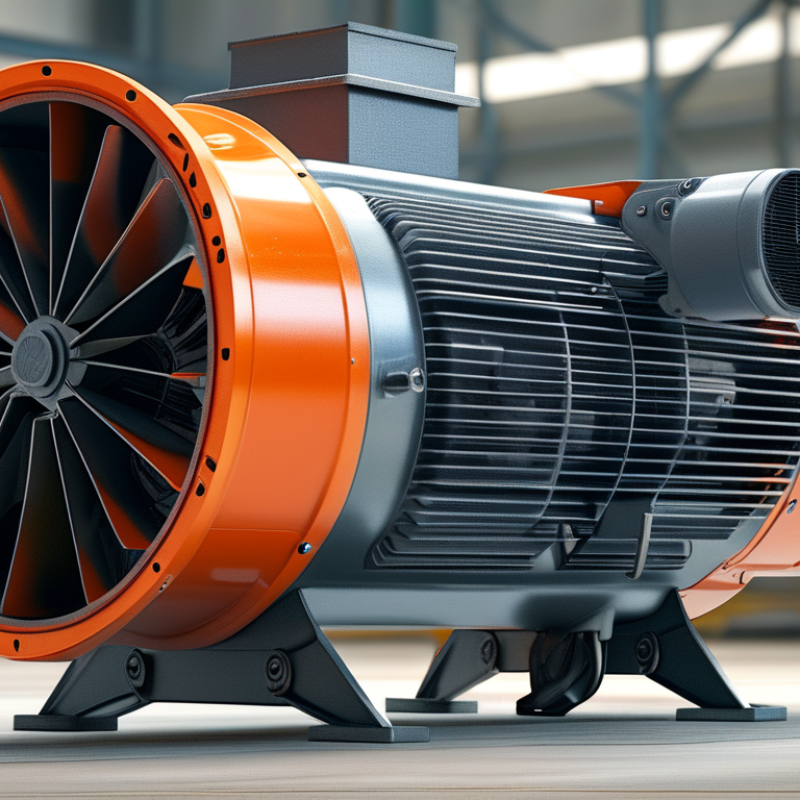
Understanding the Functionality of Oxidation Blowers in Industry
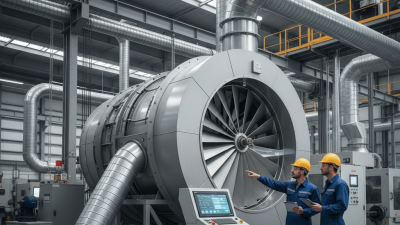
Oxidation blowers play a critical role in various industrial processes. These devices are designed to enhance the efficiency of oxidation by supplying a steady airflow. By doing so, they promote reactions that are essential in wastewater treatment and other manufacturing processes. This consistent airflow ensures that oxidation is both effective and reliable, which is vital for optimal performance.
The functionality of oxidation blowers revolves around their ability to introduce oxygen into a system. This action not only facilitates the oxidation process but also improves the overall quality of the output. In some cases, the choice of blower can significantly impact the efficiency of the entire operation. However, selecting the right type of blower may involve careful consideration and trial. Each application has unique requirements, making a one-size-fits-all approach impractical.
Despite their benefits, oxidation blowers can present challenges. Variables such as pressure, flow rate, and energy consumption must be monitored closely. Sometimes, these systems can be over-engineered, leading to unnecessary costs. Industry professionals should continually assess their systems to ensure optimal functionality. By reflecting on their use of oxidation blowers, manufacturers can improve not just performance, but also sustainability. Each decision made should be grounded in a thorough understanding of the specific needs and dynamics at play within their operations.
Key Benefits of Using Oxidation Blowers for Industrial Applications
Choosing an oxidation blower for industrial needs can lead to significant operational benefits. These blowers effectively enhance the efficiency of various processes, such as wastewater treatment and chemical manufacturing. According to a recent industry report, oxidation blowers can improve oxygen transfer efficiency by up to 30%. This increase directly correlates with reduced operational costs and improved process performance.
Improved air quality and lower emissions are notable benefits of oxidation blowers. They facilitate the controlled introduction of air into processes, allowing industries to meet stringent environmental regulations. In many cases, adopting oxidation blowers has resulted in a 15% reduction in volatile organic compounds (VOCs). This reduction not only helps businesses comply but also enhances their reputation as environmentally responsible.
For optimal performance, regular maintenance of oxidation blowers is crucial. Scheduling routine checks can prevent inefficiencies. Ensure air filters are cleaned periodically. Monitoring airflow rates can help identify potential issues early. Addressing these problems can lead to the reliable performance businesses require. Being proactive can save time and reduce costly downtimes.
Choosing the right oxidation blower can yield impressive results. Yet, it’s vital to consider specific needs and applications. This nuanced approach can lead to the best outcomes for any industrial operation.
Why Choose an Oxidation Blower for Your Industrial Needs? - Key Benefits of Using Oxidation Blowers for Industrial Applications
| Benefit |
Description |
Applications |
| High Efficiency |
Optimized airflow design for effective air handling and energy use. |
Wastewater treatment, chemical processing. |
| Durability |
Built to withstand harsh industrial environments with minimal maintenance. |
Mining, food processing. |
| Versatility |
Can handle various gases and operate in different conditions, suitable for multiple applications. |
Water treatment, air pollution control. |
| Cost-Effectiveness |
Lower operational costs compared to alternative systems due to efficiency and reduced downtime. |
Industrial ventilation, petrochemical processing. |
| Reduced Emissions |
Promotes complete combustion, leading to lower emissions of harmful pollutants. |
Power generation, oil refineries. |
Factors to Consider When Selecting an Oxidation Blower
When selecting an oxidation blower for industrial applications, several factors warrant careful consideration. The type of materials to be processed is crucial. For instance, industries like wastewater treatment use blowers to provide oxygen for aeration. Properly chosen blowers can enhance efficiency by up to 30% in such settings.
Performance metrics are essential. Users should evaluate flow rates and pressure outputs. A blower with a flow capacity of 1,000 to 5,000 CFM can serve medium to large applications effectively. However, oversizing a blower can lead to energy waste. Energy efficiency ratings can often indicate the long-term operational costs. Recent industry reports suggest that a well-selected blower can reduce operational costs by 25% over time.
Noise levels and maintenance requirements are also significant. High decibel levels can affect worker safety and comfort. Many blowers now feature noise-dampening technology. Maintenance intervals should align with industry standards to ensure reliability. Choosing a blower that requires less frequent maintenance can lead to significant downtime reductions. Some users overlook this aspect, resulting in costly delays.
By weighing these factors carefully, industries can find an oxidation blower that meets their specific needs effectively.
Applications of Oxidation Blowers in Different Industries
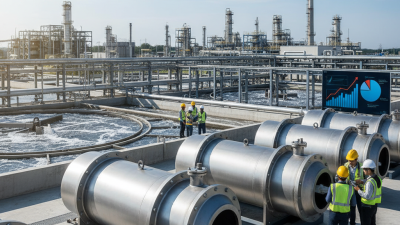
Oxidation blowers play a crucial role in various industries. They are designed to provide a consistent flow of air for processes requiring oxidation. Wastewater treatment facilities often utilize these blowers for aerobic treatment. By supplying air to biological processes, they help break down organic matter effectively. The efficiency of oxidation blowers in this context is vital for maintaining water quality.
In the food processing sector, oxidation blowers are essential for ensuring product safety. They help in maintaining the right environment for fermentation and aerobic processes. This ensures that products not only meet safety standards but also maintain their quality. Additionally, in the pulp and paper industry, these blowers facilitate oxidation processes that improve bleaching efficiency. However, the operation of oxidation blowers can face challenges, such as fluctuating energy costs and maintenance requirements. Regular monitoring is necessary to ensure operational efficiency and reduce downtime.
Another area of application is in chemical manufacturing. Oxidation blowers support various chemical reactions that require controlled oxidation environments. They can enhance yield and reduce waste. Yet, operators must be aware of the specific requirements of each process. Miscalculations in air supply can lead to inefficiencies. With their versatility, oxidation blowers are indispensable across multiple sectors. Their effectiveness hinges on a thorough understanding of both operational needs and market conditions.
Applications of Oxidation Blowers in Different Industries
Maintenance and Efficiency Tips for Oxidation Blowers
When operating oxidation blowers, maintenance is crucial for optimal performance. Regularly check for worn parts. A small issue can lead to a significant breakdown. Inspect belts, bearings, and seals frequently. These components can wear out over time, impacting efficiency. Pay attention to vibrations; they can indicate deeper problems.
Regular lubrication is another key aspect of maintenance. Use the correct type of lubricant to avoid buildup. Too much grease can cause overheating. Moreover, ensure that the airflow is unobstructed. Clean filters and ducts regularly. Efficient airflow reduces the load on the blower.
Efficiency is also about monitoring the system’s performance. Track energy consumption and compare it with the output. Anomalies might suggest that adjustments are needed. Sometimes, a simple recalibration can vastly improve energy usage. Reflect on past performance data and make necessary tweaks. This proactive approach can enhance the longevity of oxidation blowers. The right maintenance habits lead not only to efficiency but also to reliability in the long run.