2026 How to Choose the Right Boiler Centrifugal Fan for Your Needs?
Choosing the right Boiler Centrifugal Fan is critical for optimizing performance. Fans are essential in maintaining efficient airflow in heating systems. However, selecting the right one can be challenging.
Factors like size, airflow capacity, and efficiency play significant roles. An inappropriate fan can lead to energy wastage and system inefficiencies. Understanding your specific needs is crucial, yet many overlook details that matter.
Boiler Centrifugal Fans come in various designs. Each design serves different applications. Consulting with an expert can prevent costly mistakes. Failing to analyze your boiler's requirements can result in long-term issues. Make informed choices for a reliable, efficient system.
Understanding the Basics of Boiler Centrifugal Fans
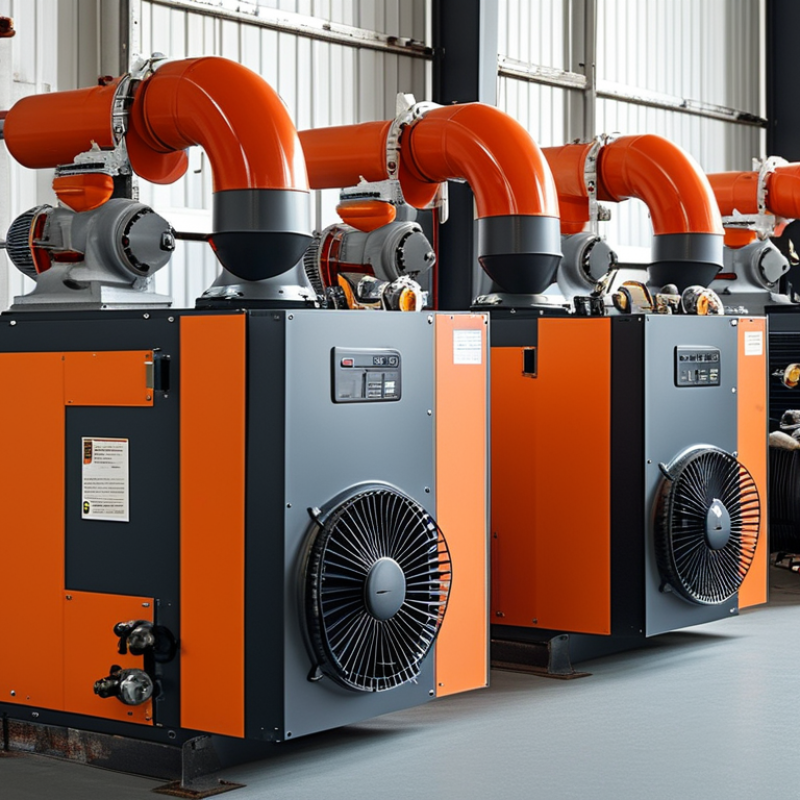
When selecting a boiler centrifugal fan, it’s vital to grasp the fundamentals. These fans are crucial for efficient boiler operation. They ensure the right air flow and combustion efficiency. If the fan doesn’t meet specific needs, performance can suffer. This can lead to increased fuel consumption and higher emissions.
Understanding fan types is essential. There are forward-curved, backward-curved, and radial fans. Each has unique characteristics suitable for different applications. For instance, forward-curved fans are often more efficient at lower pressures. They are commonly found in residential applications. Radial fans, on the other hand, are well-suited for higher pressure needs. They can handle more stringent industrial demands.
Pay close attention to fan sizing and airflow requirements. An oversized fan can lead to energy wastage. Conversely, an undersized fan may not meet the required airflow. This gap can lead to performance issues. Another consideration is noise levels. Some fans operate quietly, while others are louder. Assessing the specific environment can help in making the right choice. Always seek expert opinion when in doubt.
Key Factors to Consider When Selecting a Boiler Fan
Selecting the right boiler centrifugal fan is crucial for efficiency and performance. Key factors to consider include airflow requirements, static pressure, and noise levels. Industry data indicates that fans can account for up to 30% of energy consumption in a boiler system. Thus, choosing a fan that meets specific operational needs is essential for optimizing energy efficiency.
Another important consideration is the material composition of the fan. Different environments may require fans made from corrosion-resistant materials. Reports show that fan lifespan can vary significantly based on material quality. A subpar fan may lead to increased maintenance costs and reduced operational reliability over time.
It’s also important to evaluate the system’s configuration and space constraints. Fans come in various sizes and shapes, and selecting one that fits the physical requirements of the installation is vital. A mismatch in these areas can lead to poor performance and inefficiencies. Analyzing past performance data and seeking expert consultations can provide valuable insights during the selection process.
Types of Boiler Centrifugal Fans and Their Applications
When selecting a boiler centrifugal fan, understanding the types available is crucial. Common types include backward-curved, forward-curved, and radial fans. Backward-curved fans are known for their high efficiency and are ideal for systems with varying airflows. Forward-curved fans are more compact and provide higher airflow at lower pressure. Radial fans, on the other hand, are robust and suited for high-pressure applications. Each type serves different needs based on system design.
Consider your application carefully. The environment can influence your choice. For instance, dusty or corrosive settings might require fans with protective coatings or specific materials. Ensure the fan can handle the temperature and pressure ratings of your boiler system. Keep in mind that installation space may limit your options.
Tips: Regular maintenance is crucial for optimal performance. Check for any signs of wear or imbalance. Noise levels can be a concern; choosing the right fan type can minimize operational noise. Be proactive about assessing fan efficiency. Educate yourself about how different types respond under load. Consider consulting with experts when in doubt, as the right choice can significantly affect system efficiency and operational costs.
2026 How to Choose the Right Boiler Centrifugal Fan for Your Needs? - Types of Boiler Centrifugal Fans and Their Applications
| Fan Type |
Airflow (CMM) |
Static Pressure (Pa) |
Application |
Efficiency (%) |
| Forward Curved Fan |
200 - 3000 |
100 - 500 |
Low to Medium Pressure Systems |
70 - 80 |
| Backward Curved Fan |
150 - 2500 |
200 - 800 |
High Pressure Applications |
80 - 90 |
| Radial Fan |
250 - 5000 |
300 - 1000 |
Industrial Ventilation |
75 - 85 |
| Plug Fan |
100 - 2000 |
400 - 1200 |
Heating Systems |
85 - 92 |
| Tangential Fan |
50 - 1000 |
100 - 300 |
Compact Spaces |
60 - 75 |
Evaluating Performance Specifications for Your Needs
When choosing a centrifugal fan for a boiler system, evaluating performance specifications is crucial. The fan's efficiency is key, as it directly impacts energy consumption and operational costs. Research indicates that optimally selected fans can improve efficiency by up to 15% compared to poorly matched systems. This can lead to significant savings over time, especially in large-scale operations.
Another important specification is the air volume flow rate. A properly sized fan can ensure adequate air supply for combustion. If the flow rate is too low, combustion may be inefficient, leading to emissions exceeding regulatory limits. Conversely, an oversized fan can result in excessive energy use, raising operational costs. Balancing these considerations requires a deep understanding of the system's demands.
In addition to efficiency and flow rates, noise levels must be addressed. Many facilities operate under strict noise regulations. Selecting a fan that operates quietly is essential to avoid potential environmental complaints. Industry reports suggest that quieter fan designs can reduce sound emissions by as much as 30%. It’s not only about meeting specifications; it’s also about creating a balanced system that performs reliably over time.
Maintenance and Longevity of Boiler Centrifugal Fans
When selecting a boiler centrifugal fan, maintenance and longevity are crucial. Regular maintenance can significantly extend the lifespan of these fans. According to industry reports, routine inspections can reduce the likelihood of major repairs by up to 40%. This highlights the importance of a well-planned maintenance schedule.
Fans often experience wear and tear. Dust buildup and bearing issues are common problems. Over time, these factors can decrease efficiency. Monitoring performance metrics like airflow and pressure can help identify issues early. A long-term strategy should include lubricating bearings and checking for misalignment.
**Tip:** Schedule maintenance checks at least twice a year. Clean the fan regularly to prevent dust accumulation.
Investing in high-quality components can enhance durability. However, even the best fans require care. Operating under extreme conditions may lead to premature failure.
**Tip:** Use vibration analysis to detect issues early. This proactive approach can save time and money in the long run.
Longevity depends on mindful management. Awareness of your fan's condition can drive better outcomes. Periodic evaluation ensures that your system remains efficient and effective.