How to Choose the Right Mixing Pump for Your Needs?
Selecting the right mixing pump for your specific needs can be a daunting task. With the global mixing pump market projected to grow at a CAGR of 4.5% from 2021 to 2026, it’s crucial to understand the various options available. A mixing pump is essential in numerous industries, including chemicals, food and beverage, and pharmaceuticals. Its ability to efficiently blend different materials directly impacts product quality.
Research indicates that improper selection of mixing pumps can lead to operational inefficiencies. About 30% of industrial operations report issues stemming from mismatched pump types. This can result in increased downtime and maintenance costs. By focusing on key features like flow rate, viscosity handling, and durability, you can make a more informed decision.
Many buyers often overlook the importance of application-specific requirements. For instance, pumps designed for high-viscosity fluids differ significantly from those meant for low-viscosity liquids. Reflecting on these details can lead to more efficient operations. Understanding your needs and conducting thorough research is vital to ensuring you invest in the right mixing pump.
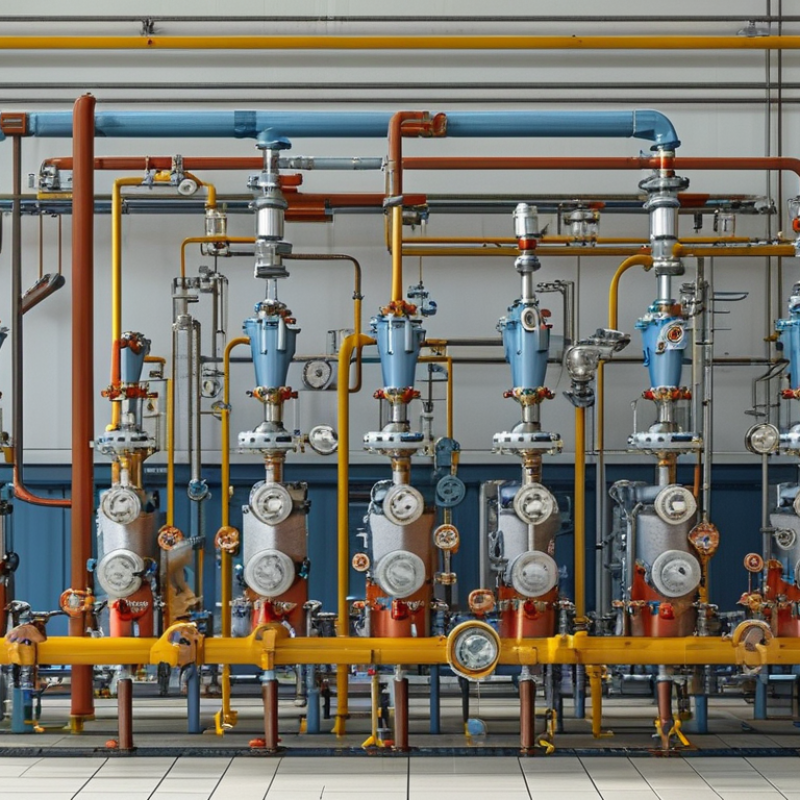
Understanding the Different Types of Mixing Pumps Available in the Market
Mixing pumps come in various types, each designed for specific applications. Understanding these types is essential. Some mixing pumps are ideal for high-viscosity fluids, while others excel with low-viscosity liquids.
Peristaltic pumps, for instance, move fluids through a hose, minimizing shear stress. This feature is vital for sensitive materials.
Gear pumps provide a simple and robust solution for thick materials. Their design allows continuous flow, which is beneficial in industrial settings. However, these pumps may require more maintenance due to wear and tear.
On the other hand, magnetic drive pumps offer a leak-free operation, eliminating concerns about contamination.
Choosing the right pump involves balancing performance with practicality. You may need to assess your material's characteristics and consider factors such as temperature and pressure. It's common to overlook the importance of flow rate, which can affect efficiency. Some users may choose based on initial cost rather than long-term value. Reflecting on these aspects is crucial for making a well-informed decision.
Assessing Your Specific Mixing Needs and Requirements for Optimal Performance
When selecting a mixing pump, understanding your specific needs is crucial. Mixing applications vary widely, from chemical processing to food production. The viscosity of the materials being mixed often dictates the pump type. For instance, viscous fluids typically require pumps with high shear capability. According to a recent industry report, up to 70% of mixing inefficiencies stem from improperly matched pump specifications.
It’s also important to assess the required flow rate and pressure. A mixing pump must accommodate both the volume and consistency of your material. Reports indicate that operational efficiency can improve by 40% when the pump is aligned with the specific process requirements. Many engineers overlook the notion of compatibility with existing infrastructure. This oversight can lead to increased maintenance and downtime.
In reality, the decision-making process can be complex. Each mixing application comes with unique challenges. For example, not every manufacturer discloses accurate performance data, making it hard to fully trust the information. It's vital to experiment and test different pumps under actual operating conditions. Engaging with industry experts can help clarify your needs. This feedback loop may lead to constant adjustments in pump selection to achieve optimal performance.
Evaluating Key Features and Specifications of Mixing Pumps
When selecting a mixing pump, evaluating key features is essential. Consider the pump's material construction. Stainless steel offers durability, while plastic may be lighter and more affordable. Assess the viscosity of the materials you will mix. High-viscosity substances require more robust pumps. The motor power is another critical factor. A stronger motor can handle harder tasks effectively.
Tips: Always verify the pump's flow rate. It should match your application needs. Monitor energy consumption to ensure efficiency. This can save costs over time. Also, don't overlook the importance of maintenance. Some pumps require regular checks, while others are more low-maintenance.
Look at the pump's size. It should fit your workspace. Sometimes a compact design is better than a larger model. Think about the ease of installation, as complex setups may require expert help. Reflect on your specific needs. The right choice can lead to improved productivity. Consider these elements carefully when making your decision.
Mixing Pumps Performance Comparison
Comparing Brands and Models: What to Look For in Quality and Reliability
When comparing brands and models of mixing pumps, quality and reliability should be top priorities. Assess the materials used in construction. High-quality pumps often feature durable components that can withstand the rigors of different applications. Look for pumps made of corrosion-resistant materials. This can enhance longevity and reduce maintenance needs.
Examine the pump's performance specifications. Consider flow rates and pressure capabilities. These metrics can significantly impact efficiency. Reliable pumps should provide consistent performance under varying conditions. Also, review user feedback and ratings to gauge real-world reliability. Experiences from existing users can highlight both strengths and potential weaknesses.
Pay attention to the warranty offered by manufacturers. A robust warranty often signifies confidence in the product's durability. However, some brands may promote longer warranties with limited coverage. It’s essential to read the fine print. A thorough understanding of these terms can better inform your decision-making process. Ultimately, balancing features with your specific requirements is vital.
How to Choose the Right Mixing Pump for Your Needs? - Comparing Brands and Models: What to Look For in Quality and Reliability
| Model |
Flow Rate (GPM) |
Max Pressure (PSI) |
Power (HP) |
Weight (lbs) |
Material |
Noise Level (dB) |
| Model A |
15 |
150 |
3 |
50 |
Stainless Steel |
75 |
| Model B |
20 |
200 |
5 |
60 |
Aluminum |
80 |
| Model C |
25 |
175 |
4 |
55 |
Plastic |
70 |
| Model D |
18 |
160 |
4.5 |
52 |
Plastic |
75 |
Budgeting for Your Mixing Pump Purchase: Cost vs. Value Considerations
When budgeting for a mixing pump, understanding cost versus value is crucial. The initial price of the pump often captures attention, but long-term operational costs can outweigh this. Consider energy consumption, maintenance needs, and longevity. A cheaper pump may require frequent repairs, ultimately increasing your expenses.
Think about the specific requirements of your application. A high-performance pump suited for a particular task may seem more expensive initially. However, the efficiency it provides could save substantial costs over time. Evaluate your workflow and the type of materials you will be mixing. This reflection is essential in making an informed decision.
Researching different options is vital. Some may look appealing due to their low upfront costs. However, inferior quality can lead to dissatisfaction. Rely on credible sources for information about expected performance and durability. Ask for real-world experiences and insights from professionals in your field. Always keep in mind that value is not merely about the purchase price. It's about finding a balance between upfront costs and long-term benefits.