How to Choose the Right Feed Pump for Your Applications?
Selecting the appropriate feed pump for your applications is a crucial decision. The feed pump plays a vital role in various industries, including agriculture, wastewater treatment, and chemical processing. According to industry reports, the global feed pump market is projected to grow at a CAGR of 5.2% from 2021 to 2028. This growth highlights the increasing demand for reliable and efficient pumping solutions.
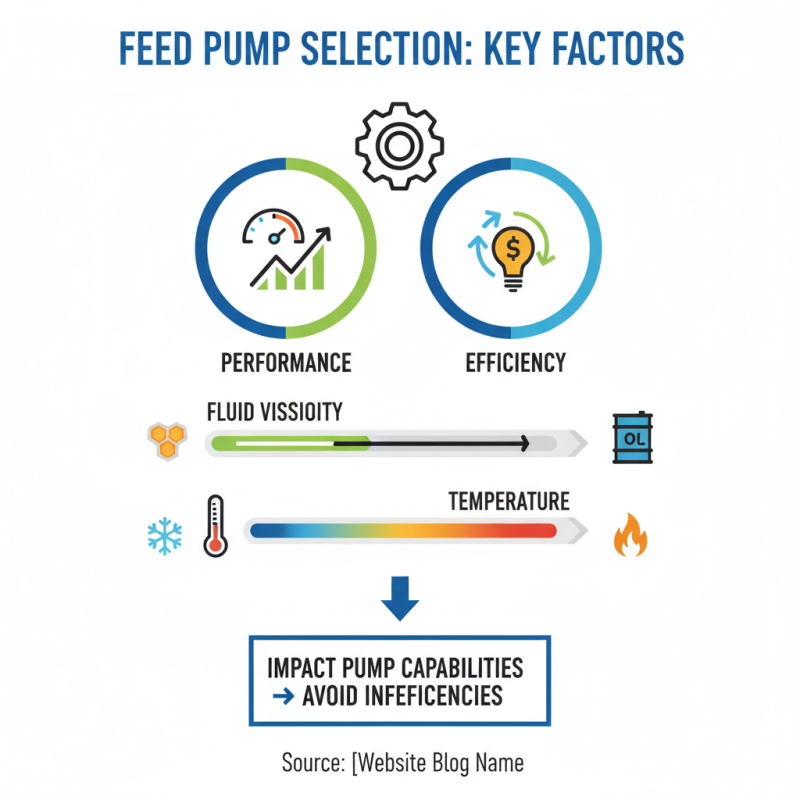
When choosing a feed pump, several factors must be considered. Performance, efficiency, and material compatibility are key elements. A wrong choice can lead to inefficiencies and increased operational costs. Reports indicate that up to 30% of pump failures can be traced back to improper selection. This data underscores the importance of thorough research and understanding your specific needs.
It is essential to reflect on the nuances of your applications. What is the fluid type? Is the feed pump subjected to corrosive substances? The selection process is not always straightforward. Often, the right choice comes from experience and careful analysis. Balancing efficiency with durability can be challenging, yet it is necessary for optimal performance.
Understanding the Purpose of Feed Pumps in Various Applications
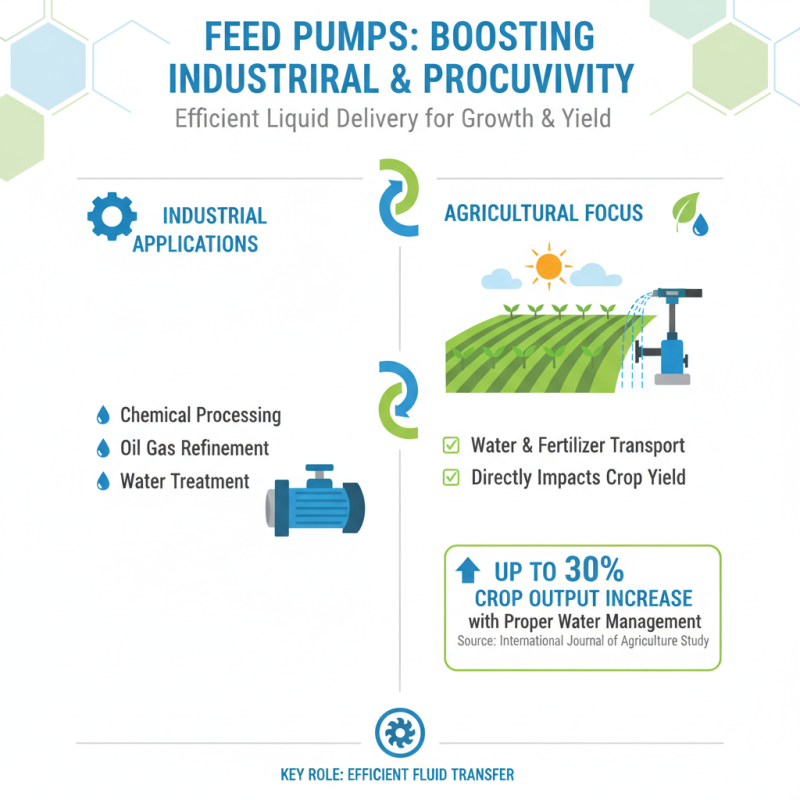
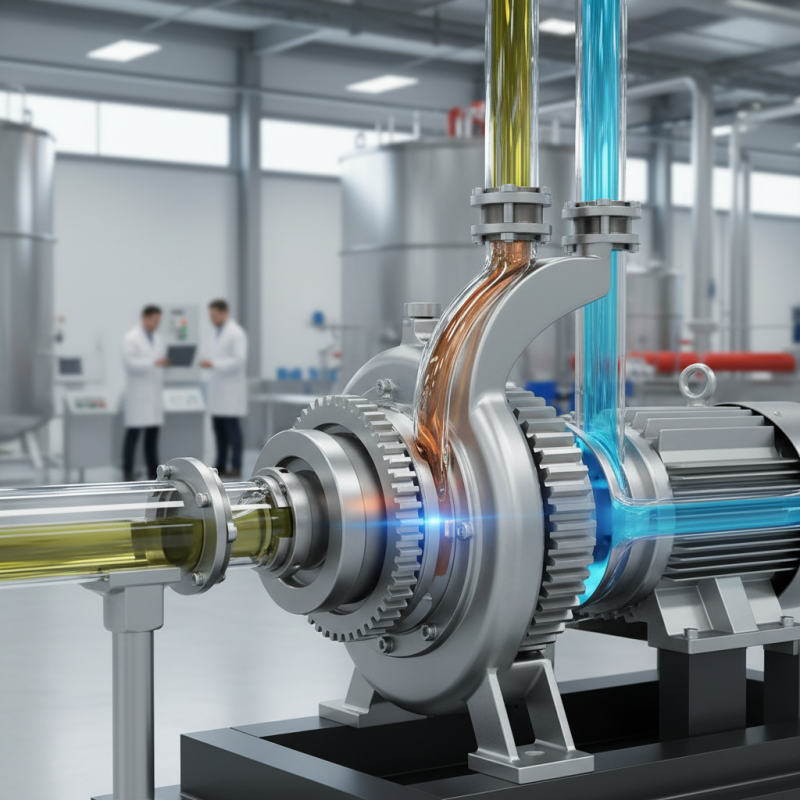
Feed pumps play a crucial role in various industries. They ensure the right amount of liquid is delivered to systems efficiently. In agriculture, they transport water and fertilizers to crops. This process directly impacts yield and productivity. A study by the International Journal of Agriculture indicated that proper water management can increase crop output by up to 30%.
In industrial applications, feed pumps assist in chemical processes. They help move chemicals through pipelines for manufacturing. A report from the International Pump Users Association noted that improper feed pump selection could lead to a 20% decrease in operational efficiency. The right pump ensures consistency in operations and minimizes waste.
Selecting a feed pump requires understanding its role in specific applications. Parameters like flow rate and pressure are key. However, many overlook the consequences of poor choices. Issues like cavitation or insufficient capacity can arise. These problems often result in downtime and increased costs. Thus, being meticulous in selection is vital for optimal performance.
Key Factors to Consider When Selecting a Feed Pump
Choosing the right feed pump is crucial for optimal performance. There are several key factors to consider during selection. The pump's flow rate and pressure requirements are paramount. In most applications, the flow rate should match the system's needs, typically measured in gallons per minute (GPM). A study by the Pump Systems Matter reported that nearly 30% of pump systems operate inefficiently due to improper sizing.
Another important consideration is the liquid properties. The viscosity and chemical composition can affect pump selection significantly. For instance, pumps handling viscous fluids need to be robust, often utilizing specialized materials. According to the Hydraulic Institute, about 25% of pump failures stem from improper material choice.
Additionally, energy efficiency cannot be overlooked. The cost of energy is rising, and using efficient pumps can make a difference. Reports indicate that energy-efficient pumps can reduce operational costs by up to 40%. However, many still overlook these factors, leading to long-term inefficiencies. An understanding of maintenance and operational history is essential for choosing the right pump. Ignoring these aspects may result in unexpected downtimes.
Types of Feed Pumps and Their Specific Applications
When selecting a feed pump, understanding the types and their applications is crucial.
Positive displacement pumps are prevalent in various industries.
They excel in delivering precise volumes of fluids. These pumps are often used in chemical processing.
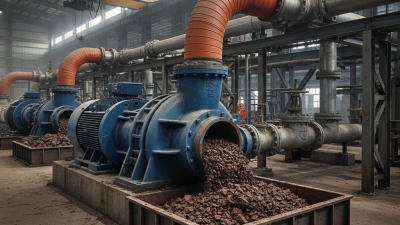
They can handle thick liquids and slurries.
Centrifugal pumps are another common choice. They work best with low-viscosity fluids.
These pumps generate flow through rotational energy. They are often used in water treatment and irrigation.
However, they can struggle with variations in flow rate. This can lead to inefficiencies that need careful monitoring.
Diaphragm pumps are useful in sensitive applications.
They are ideal for transferring hazardous or corrosive fluids. Their design prevents backflow and improves safety.
Yet, these pumps may not be suitable for high flow rates. Consideration of the specific environment and fluid characteristics is key.
Many users overlook this detail, which can lead to costly errors.
Maintenance and Troubleshooting Tips for Feed Pumps
When using feed pumps, maintenance is crucial. Regular inspections can prevent unexpected breakdowns. Pay attention to signs like unusual noises or vibrations. These often indicate issues that need quick attention.
Here are some tips for effective maintenance. Check fluid levels frequently. Ensure they match the manufacturer's specifications. Fluctuating levels might suggest leaks or inefficiency. Tighten any loose connections. This small step can stop major problems later.
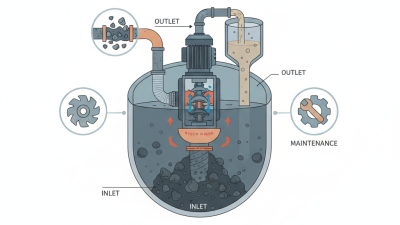
Troubleshooting can be daunting. If a pump fails, start by checking the power supply. Look for blown fuses or tripped breakers. Another common issue is blockages in the intake. Clear any debris to restore flow. Remember, not every problem has a clear solution. Sometimes, it requires trial and error to identify the root cause. Keeping a maintenance log can help you track recurring issues over time.