How to Choose the Right Phosphate Ore Pump for Your Needs?
Choosing the right phosphate ore pump is crucial for efficient mining operations. The global phosphate market has grown significantly, projected to reach $79 billion by 2026. Proper pump selection can increase productivity and reduce maintenance costs.
Phosphate ore pumps face unique challenges. Abrasive materials can quickly wear out inferior pumps. According to industry reports, about 30% of maintenance issues stem from poor pump choices. This emphasizes the need for careful consideration during selection.
A suitable phosphate ore pump should meet specific parameters. Capacity, discharge pressure, and material compatibility are key factors. Oversized pumps can lead to inefficiencies, while undersized pumps may not deliver necessary output. Choosing wisely can enhance operational longevity.
Understanding Phosphate Ore Pumps: Types and Applications
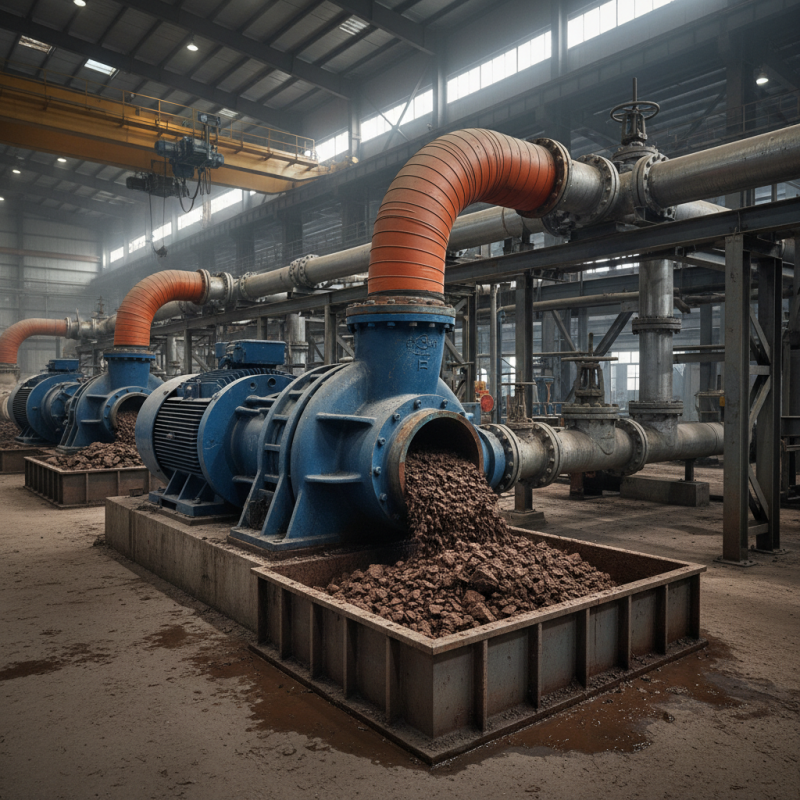
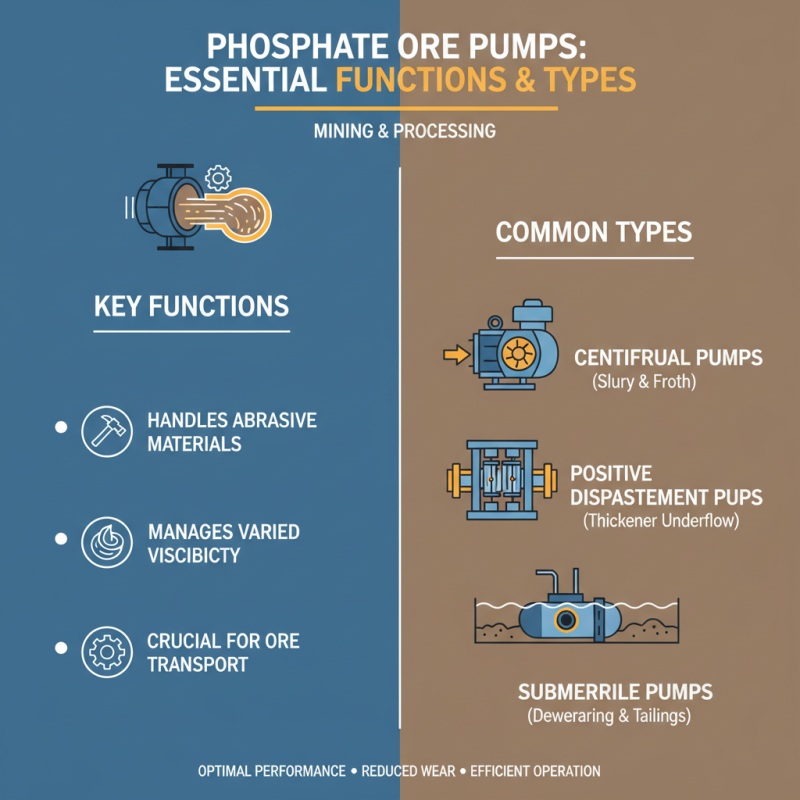
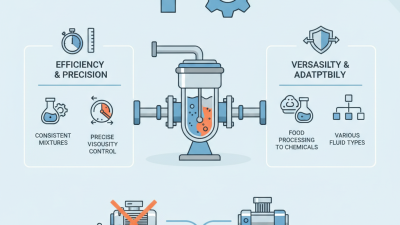
Phosphate ore pumps serve essential functions in mining and processing industries. These pumps handle abrasive materials and often deal with varied viscosity levels. Understanding the types of phosphate ore pumps is crucial for effective use.
Centrifugal pumps are widely used for their efficiency. They are suitable for transporting large volumes of slurry. However, they may struggle with high solid concentrations. In contrast, positive displacement pumps excel in high-viscosity applications. They provide consistent flow but can be more complex and costly.
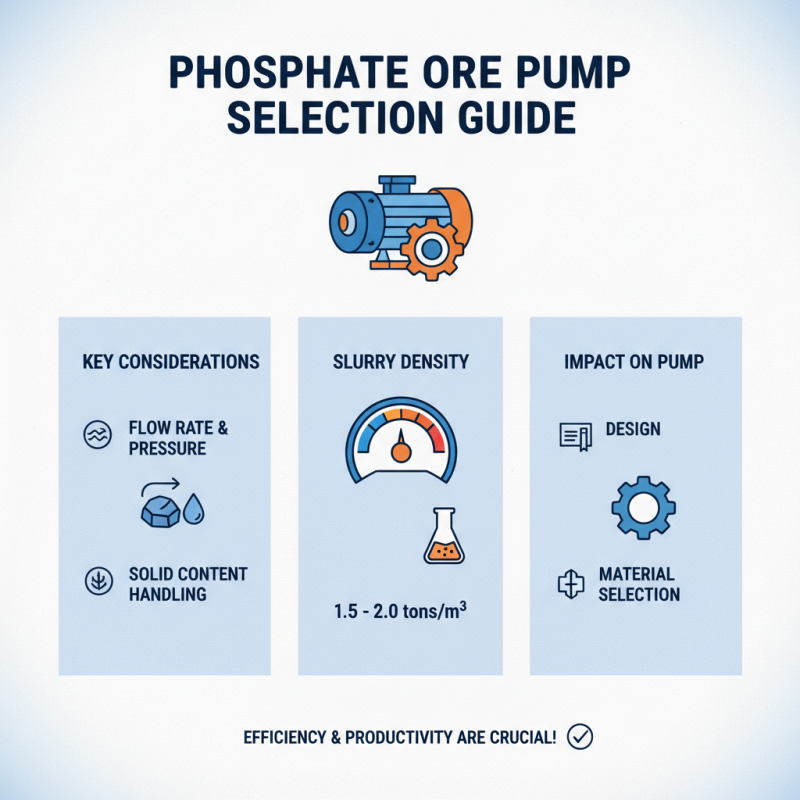
When choosing a pump, consider the specific slurry characteristics. The pump's materials should withstand corrosion and abrasion. Also, think about maintenance needs. A pump that requires frequent repairs can be a burden. Reflect on your budget too. Sometimes, cheaper options lead to higher long-term costs due to inefficient operation. Matching the right pump to your needs involves balancing various factors. It's not just about the pump type; it's about finding the optimal fit for your operations.
Evaluating Pump Specifications: Flow Rate, Pressure, and Durability
Choosing a phosphate ore pump goes beyond simple selection. Evaluating the specifications is crucial.
Flow rate is one of the most significant factors. It determines how much material can be moved within a set time. For phosphate ore,
high flow rates are essential for efficiency. However, a pump with an excessively high flow can lead to wear and tear.
Balance is key.
Pressure is another important specification. Understanding the system's pressure requirements helps in selecting a suitable pump.
Too low pressure means inadequate material transfer.
Too high pressure can damage the infrastructure. It’s a delicate balance that needs careful analysis. Lastly,
durability cannot be overlooked. Pumps used in phosphate ore applications face harsh conditions.
Materials used must withstand wear, corrosion, and thermal stress. A few manufacturers may advertise durability, but real-world testing shows varying results.
Reflect on your specific needs. What environmental conditions will the pump face? Consider potential issues, like
maintenance frequency and costs. Without clear answers, decision-making can become challenging.
The ideal pump should be efficient, reliable, and aligned with your operational goals.
However, compromises may be necessary based on budget constraints or specific project requirements.
Be prepared to rethink your priorities as you navigate these choices.
Comparing Material Construction for Phosphate Ore Pump Efficiency
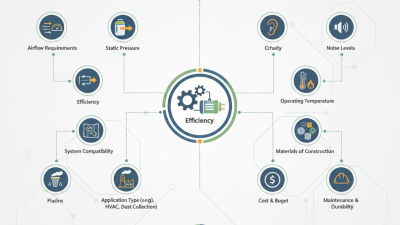
When selecting a phosphate ore pump, material construction plays a crucial role. The right materials enhance efficiency and durability. Common options include stainless steel, cast iron, and high-grade polymers. Each material has its pros and cons. Stainless steel resists corrosion but can be costly. Cast iron is robust but heavier. Polymers offer lightweight flexibility.
**Tips:** Evaluate the environment. If corrosive chemicals are involved, stainless steel may be your best choice. Lightweight pumps can improve mobility but might not handle heavy-duty tasks as well.
Consider the operating conditions. High temperatures or abrasive materials require pumps designed to withstand stress. Regular maintenance is essential. A neglected pump will underperform and lead to costly repairs. Choose a pump that allows easy access for service.
In the end, aligning your pump's material with your specific needs will optimize performance. Each choice carries weight, so reflect on your operational requirements. Don't overlook minor details; they can lead to significant outcomes.
Phosphate Ore Pump Material Comparison
Cost-Effectiveness: Balancing Initial Investment and Long-Term Performance
Choosing the right phosphate ore pump involves more than just the initial purchase price. Cost-effectiveness is crucial, especially in industrial applications. According to a recent report from the International Journal of Mining Science, operating costs can account for up to 60% of the total expense over a pump's lifecycle. This highlights the importance of considering long-term performance.
Initial investments might appear low for some pumps. However, low-quality pumps can lead to frequent breakdowns. This results in higher maintenance costs. A study from the Pump Manufacturers Association found that pumps with high efficiency save about 20% on energy costs annually. These savings add up over time, showcasing the need for strategic choices.
It's essential to find a balance between upfront costs and operational efficiency. An inadequate assessment might lead to overspending later. When assessing options, consider factors like material compatibility and energy consumption. Some pumps may be cheaper initially but could require more repairs or replacements. Thus, thorough research about durability and reliability is critical. Ignoring these aspects can lead to regret down the line.
How to Choose the Right Phosphate Ore Pump for Your Needs?
| Pump Type |
Initial Cost ($) |
Maintenance Cost (Annual) ($) |
Power Consumption (kW) |
Expected Lifespan (Years) |
Total Cost Over 10 Years ($) |
| Centrifugal Pump |
5,000 |
500 |
30 |
15 |
10,500 |
| Diaphragm Pump |
7,000 |
600 |
20 |
10 |
12,000 |
| Progressive Cavity Pump |
8,500 |
700 |
25 |
12 |
15,800 |
| Submersible Pump |
6,500 |
550 |
22 |
8 |
10,300 |