10 Essential Tips for Choosing the Right Incinerator Fan?
Selecting the right incinerator fan is crucial for efficient waste management. Dr. William Green, a leading expert in waste technology, emphasizes, "The right fan can make or break the incineration process." It's not just about functionality; it's about reliability and efficiency.
In the world of incineration, subtle details can have significant impacts. A well-chosen fan optimizes air flow and combustion, ultimately leading to better waste disposal outcomes. However, mistakes happen. Some users overlook crucial specifications, such as CFM ratings or motor compatibility. This oversight can result in wasted resources and increased operation costs.
Considering the complexity of incinerator systems, it's essential to factor in both performance and maintenance needs. Many fans are designed for specific conditions. Positioning, dust load, and temperature range can vary. Failure to match these factors may not only reduce efficiency but also lead to more significant problems down the line.
Understanding the Role of Incinerator Fans in Waste Management
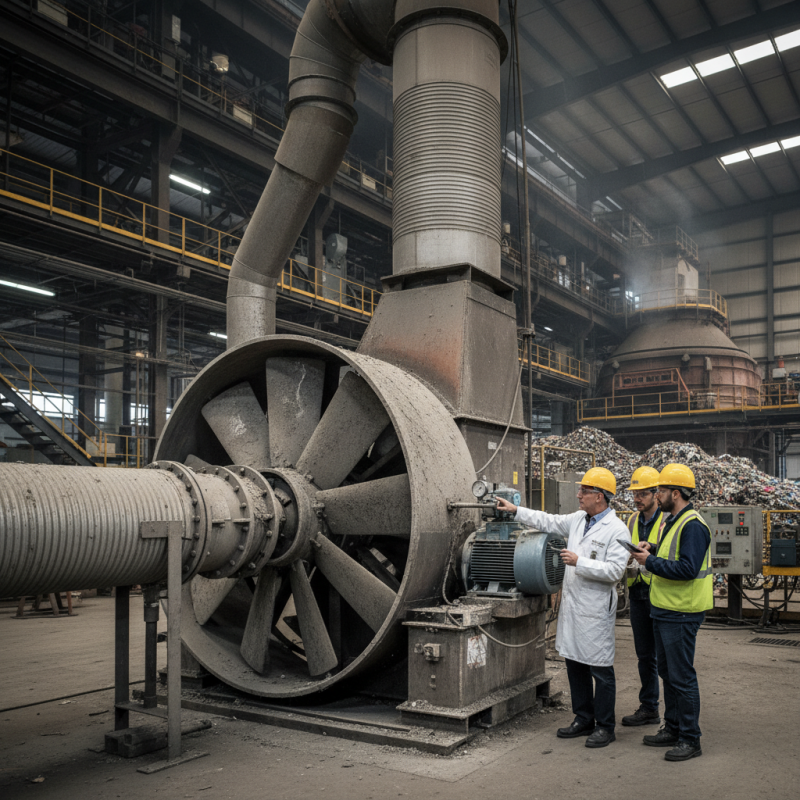
Incinerator fans play a crucial role in waste management systems. They help achieve complete combustion by supplying the necessary air. This air supply enhances the burning process, leading to reduced emissions. Proper airflow prevents the buildup of toxic gases, ensuring safety and efficiency.
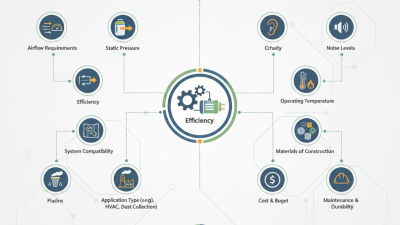
When choosing an incinerator fan, consider airflow capacity. A fan that is too weak can lead to incomplete combustion. This may increase harmful emissions, which is counterproductive. Inspect fan construction materials. Corrosion-resistant materials are vital for longevity. Maintaining fans can often be overlooked but is essential for consistent performance.
Noise levels are also something to keep in mind. A noisy fan may cause disturbances. The fan's installation should be seamless to avoid operational issues. Remember that not all fans are created equal. Each application may require different specifications. Evaluate your specific needs to make an informed choice.
Balancing efficiency and effectiveness can be challenging. Take your time; a well-thought-out decision benefits overall waste management efforts.
Key Factors to Consider When Selecting an Incinerator Fan
Choosing the right incinerator fan is critical for efficiency.
Consider airflow capacity. A fan must move enough air to ensure complete combustion. According to industry reports, optimal airflow can reduce emissions by up to 30%. This can lead to better compliance with environmental regulations.
Think about fan material. Corrosion-resistant materials last longer. Those facing high temperatures need to withstand extreme conditions.
Some reports indicate that improper material selection can decrease fan lifespan by up to 50%. It's a common oversight.
Noise levels can also be a concern. Many fans operate quietly, but some produce unwanted noise. Choose models known for low decibel levels. A quieter fan contributes to a better working environment.
Lastly, installation ease matters. Complicated setups might require extra costs and time. Always reflect on your specific needs and site conditions.
Assessing Airflow Requirements for Different Incineration Processes
When selecting an incinerator fan, assessing airflow requirements is crucial. Incineration processes vary significantly. They may require different airflow rates, depending on the waste type. A thorough evaluation of the waste combusted can guide the fan selection. Solid waste typically needs more airflow compared to liquid waste. Understanding the specifics can make or break the efficiency of the incineration process.
Different incineration setups will have unique airflow demands. Factors such as chamber size, combustion temperature, and waste volume must be considered. Inadequate airflow can lead to incomplete combustion, resulting in higher emissions. Conversely, excessive airflow might waste energy. Users often overlook these crucial details. Experimentation with airflow levels may be necessary. Monitoring results closely can help refine the fan choice. Ultimately, it’s about achieving a balance that suits your specific needs.
Evaluating Energy Efficiency and Cost-Effectiveness of Fan Options
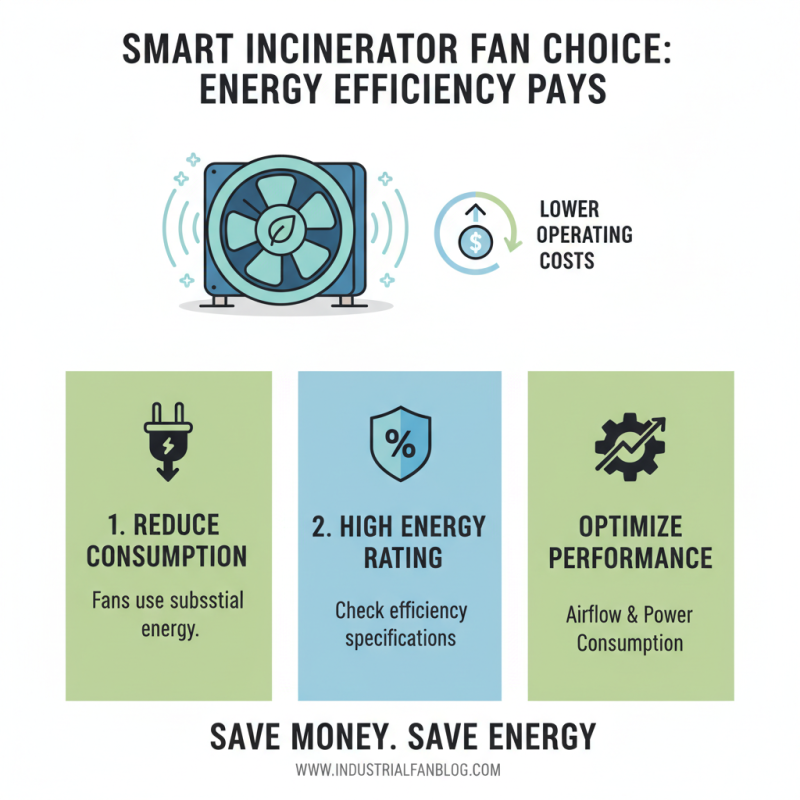
When choosing the right incinerator fan, energy efficiency is key. Fans consume significant power. Opting for models with high energy ratings can greatly reduce costs over time. It’s crucial to check the fan’s specifications, including airflow rates and power consumption. Remember, higher efficiency often translates to lower operating costs.
Cost-effectiveness matters too. Analyze the initial price and ongoing expenses. Sometimes, cheaper fans lead to higher electricity bills. A good strategy is to calculate the total cost of ownership. This includes maintenance, repairs, and energy use. Some fans may require complex setups, increasing costs and effort.
Consider these tips. Research fan options thoroughly. Look for user reviews or insights. Explore various materials used in construction for durability. Sometimes, the perceived low-cost fan might underperform. Always weigh the pros and cons before making a decision.
Maintenance and Durability Aspects of Incinerator Fans
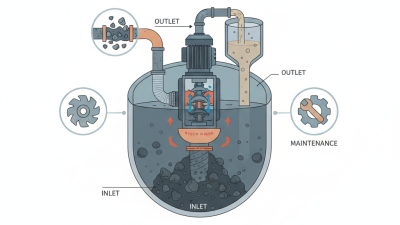
When considering the maintenance and durability aspects of incinerator fans, several factors come into play. A well-maintained fan ensures efficient operation. Neglecting regular checks can lead to diminished performance. Inspecting components like bearings and blades is crucial. A worn-out blade can cause airflow issues. Over time, this can harm the entire system.
Materials used in fan construction influence durability. High-temperature resistant materials are essential for long-lasting operation. Corrosive environments can also affect fan lifespan. Regular cleaning is vital to prevent build-up of ash or residue. This build-up can lead to rust and other issues. The fan's motor should be monitored for wear. Small signs of trouble can escalate if ignored.
Understanding operational limits is just as important. Each fan has a specific capacity regarding airflow and temperature. Overuse can lead to burnout, necessitating costly repairs. Users often underestimate the impact of high operational demands. Regular maintenance schedules should be adhered to. This ensures longevity and efficient performance. Proper attention now can prevent significant future expenses.