What is an Underflow Pump and How Does it Work?
An Underflow Pump is crucial in various industries, particularly in mining and wastewater management. These pumps help move slurries, sediments, and liquids. According to industry expert Dr. Jane Thompson, "The efficiency of an Underflow Pump can significantly impact the overall productivity of operations." Understanding how these pumps work is essential for optimizing their performance.
Underflow Pumps operate by creating a pressure differential. This allows materials to be moved from one location to another effectively. They are designed to handle thick and viscous fluids, making them indispensable for certain tasks. However, issues can arise, such as blockages or wear over time.
In practice, the maintenance of an Underflow Pump often needs attention. Many users overlook this aspect. Proper maintenance ensures longevity and efficiency. Changes in the material composition can also affect performance. Addressing these challenges is a continuous learning process in the industry.
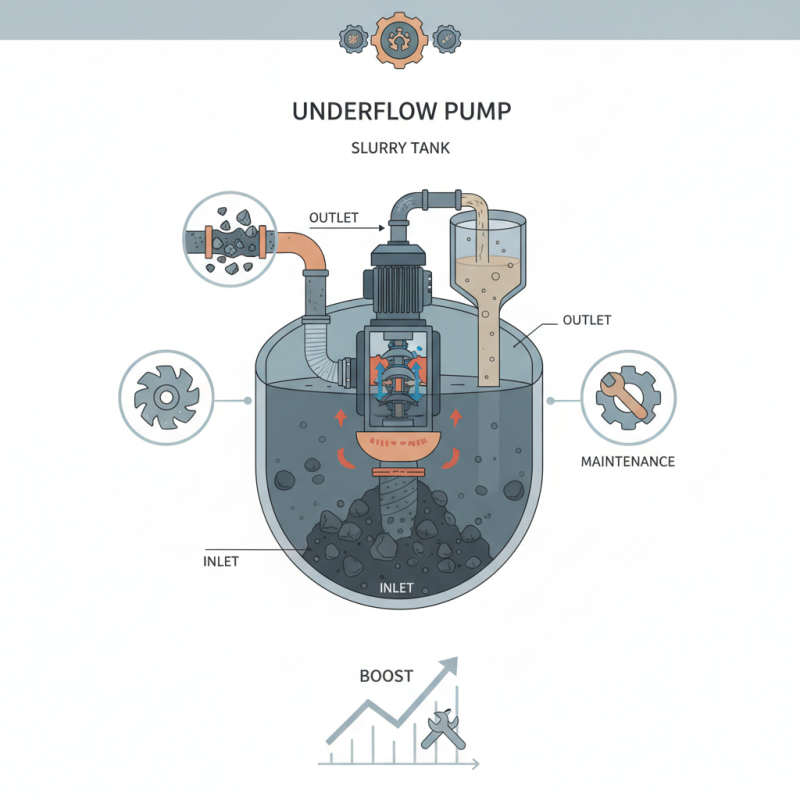
What is an Underflow Pump: Definition and Overview
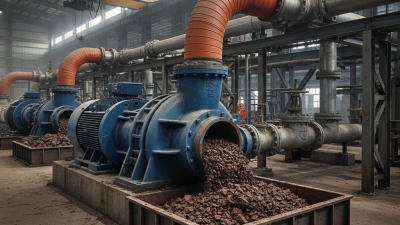
An underflow pump is a specialized type of pumping device. It is designed to handle materials with high solid content. These pumps efficiently transport slurry that contains considerable amounts of solids and liquid. An underflow pump operates by creating a pressure differential. This allows the heavy mixture to be moved from one location to another.
Tip: Always consider the type of material you are pumping. Different slurries have varying properties. Make adjustments to the pump settings for optimal performance.
The design of an underflow pump includes a strong casing. This protects it from wear and tear due to abrasive materials. Its impeller plays a crucial role in moving the mixture. It must be durable and designed for solids handling. However, one should be careful about clogging. Regular maintenance is essential to prevent operational issues.
Tip: Monitor the pump regularly. Look for signs of wear or blockages. Early detection can save time and money.
Understanding how an underflow pump works helps in improving efficiency. However, it’s important to reflect on possible shortcomings. Even the best devices can face challenges, like reduced flow rates or mechanical failures. Addressing these issues proactively leads to better outcomes in the long run.
Principle of Operation: How Underflow Pumps Function
Underflow pumps play a crucial role in various industries. They are designed to handle slurries and liquids with high solid content. Understanding their operation can enlighten users on their benefits and limitations.
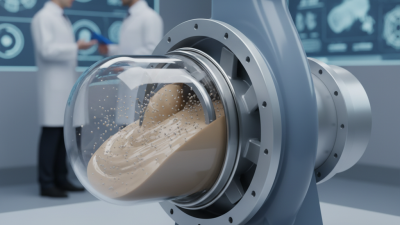
These pumps utilize a unique principle of operation. They often employ a screw or diaphragm mechanism. This design enables smooth handling of heavy materials. Liquid enters the pump through an inlet. As it flows, the pump reduces pressure, creating an underflow effect. This process initiates movement, allowing the material to exit via an outlet.
However, not all underflow pumps are perfect. Some models struggle with very viscous fluids. Inadequate maintenance can lead to failures. Users need to monitor wear and tear closely. Addressing these issues ensures optimal performance over time. There’s always room for improvement. Continuous learning about these pumps makes a difference in efficiency and reliability.
Key Applications of Underflow Pumps in Various Industries
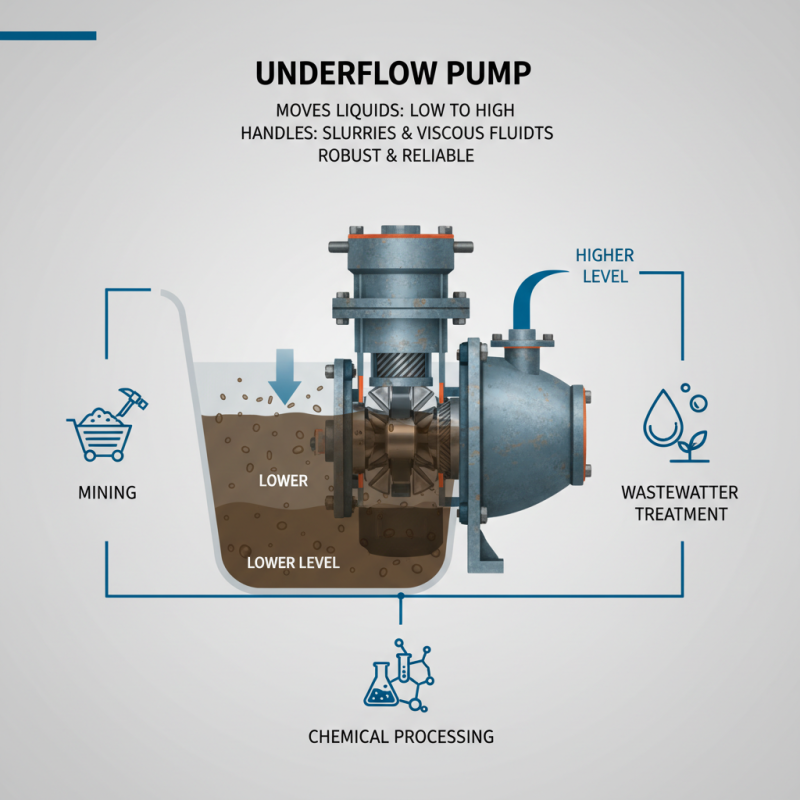
Underflow pumps play a crucial role in various industries, particularly in mining and wastewater treatment. These pumps are designed to move slurries or liquids containing solid materials. They operate by utilizing a unique mechanism to handle thick, viscous fluids. In mining, for instance, underflow pumps help transport tailings, which are the byproducts of minerals extraction. This process is vital for minimizing environmental impacts.
In wastewater treatment, underflow pumps facilitate the removal of sludge from settling tanks. The effective handling of these materials ensures that the water treatment process is efficient and safe. In addition, these pumps are used in chemical processing. They help transfer materials that would otherwise clog standard pumps.
Tip: Always inspect pumps regularly. Maintenance can prevent breakdowns in critical operations.
In addition to their industrial use, underflow pumps are also found in agricultural applications. They help manage slurry from livestock waste. However, not all underflow pumps are equally effective. Choosing the right pump for specific needs is essential.
Tip: Consider the viscosity of the fluid when selecting a pump. Testing might be necessary to get accurate results.
Key Applications of Underflow Pumps in Various Industries
Benefits of Using Underflow Pumps for Efficiency and Cost-Effectiveness
Underflow pumps are designed for specific applications, primarily in mining and industrial sectors. They work by efficiently removing fluids from a process tank to optimize operations. These pumps are essential when dealing with slurry or dense materials. They help streamline the process flow, ensuring that materials are moved effectively.
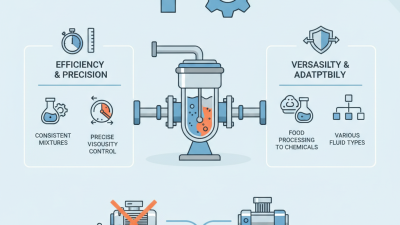
One major benefit of using underflow pumps is cost-effectiveness. They require less energy compared to traditional pumps. This translates to lower utility bills and reduced operational costs. Moreover, their efficiency can lead to fewer maintenance issues. This means less downtime and more productivity. In environments where every second counts, this is invaluable.
Using underflow pumps can also improve overall efficiency. They minimize the chances of clogging and breakdowns. However, they necessitate regular monitoring. Inconsistent maintenance can lead to suboptimal performance. Users should keep track of pump conditions. Remember, a small oversight can result in significant setbacks. It’s all about balancing efficiency with proactive care.
Technical Specifications: Typical Performance Metrics and Features
An underflow pump is a critical component in various industries. It operates by moving liquids from a lower level to a higher one. This pump’s unique design allows it to handle heavy slurries and viscous fluids efficiently. Common applications include mining, wastewater treatment, and chemical processing. These pumps are renowned for their robustness and reliability.
Technical specifications are vital to understanding pump performance. Flow rates often vary from 100 to 1,500 gallons per minute. The optimal pressure can reach up to 300 psi, depending on the model. Many pumps feature a self-priming mechanism, allowing for easy operation. They also incorporate materials resistant to wear and corrosion, extending their lifespan.
Understanding the features helps ensure best practices. Maintenance routines are crucial, although they may be overlooked. User manuals provide essential guidelines but can be vague. The efficiency of an underflow pump may decline if not properly maintained. Reflecting on pump usage can uncover areas needing improvement, ensuring better performance and longevity.