How to Choose the Best Incinerator Fan for Your Needs?
Choosing the right Incinerator Fan can significantly impact efficiency and safety. As industry expert Dr. Emily Carr, a mechanical engineer specializing in waste management systems, puts it, “Selecting the right fan is crucial for optimal combustion.” Understanding the key factors in selection is essential for both performance and compliance.
When evaluating Incinerator Fans, consider airflow requirements and motor capacity. Each facility has unique needs. The wrong fan can lead to operational failures. It’s important to analyze your specific waste types and volumes. You may need expert advice to find the perfect match.
Reliability is critical. Low-quality fans often fail quickly, leading to costly downtime. Research is key. Read reviews and seek recommendations. Nevertheless, even the best models have limitations. Regular maintenance is vital. Keeping these factors in mind can help ensure your choice aligns with your long-term goals.
Understanding Incinerator Fans and Their Importance
Incinerator fans play a crucial role in waste management systems. They ensure the effective combustion of waste materials, which is essential for reducing environmental impact. Proper airflow can significantly affect the efficiency of the incineration process. According to a report by the Environmental Protection Agency, optimized air supply can increase burning efficiency by 30% and reduce harmful emissions.
The importance of choosing the right incinerator fan cannot be overstated. Fans must be compatible with the specific type of waste being processed. They should also handle the required airflow rates and pressure levels. A mismatch can lead to incomplete combustion and increase the risk of pollutants being released. A study from the Waste Management Journal highlights that inadequate fan performance can increase particulate matter emissions by more than 25%.
Consideration of fan materials and designs is also critical. High temperatures and corrosive gases can shorten a fan’s lifespan. Therefore, selecting fans made from durable and heat-resistant materials can improve reliability. Some reports indicate that using improper materials for fan construction leads to frequent maintenance issues, ultimately increasing costs. These factors illustrate that understanding incinerator fans is essential for optimal waste management.
How to Choose the Best Incinerator Fan for Your Needs?
| Dimension |
Description |
Importance |
Considerations |
| Airflow Rate |
Volume of air the fan can move, measured in cubic meters per hour (m³/h). |
High airflow ensures effective combustion and reduces emissions. |
Match with the size and type of incinerator. |
| Fan Efficiency |
Ratio of output to input energy, generally expressed as a percentage. |
Improved efficiency lowers operational costs and environmental impact. |
Consider energy ratings and type of motor used. |
| Noise Level |
Measured in decibels (dB), indicates how loud the fan operates. |
Lower noise levels contribute to a better working environment. |
Look for noise ratings if operating in populated areas. |
| Durability |
Ability of the fan to withstand harsh conditions. |
Long-lasting fans reduce replacement costs and downtime. |
Consider materials and construction quality. |
| Size and Weight |
Physical dimensions and weight of the fan. |
Proper sizing is crucial for installation and efficiency. |
Ensure compatibility with existing incinerator setup. |
Key Factors to Consider When Choosing an Incinerator Fan
When selecting an incinerator fan, several key factors warrant attention. Airflow capacity is critical. Industry reports suggest that optimal airflow increases combustion efficiency by 30%. Aim for fans that can adjust airflow based on the incineration load. This flexibility enhances energy use and reduces emissions.
Noise levels are another concern. The ideal fan should operate under 80 decibels. Higher noise levels might indicate inefficiencies. It's wise to consider soundproofing options for facilities near residential areas. Additionally, check the materials used in construction. Fans made from corrosion-resistant materials can have a longer lifespan.
Energy consumption is also crucial. The U.S. Department of Energy highlighted that high-efficiency fans can cut energy use by up to 40%. Investing in a fan with energy-efficient motors may yield long-term savings. Remember to assess the total cost of ownership. A low upfront cost might lead to higher maintenance expenses later.
Different Types of Incinerator Fans Available in the Market
When selecting an incinerator fan, it's essential to understand the types available in the market. Incinerator fans primarily fall into two categories: axial fans and centrifugal fans.
Axial fans are designed for moving large volumes of air, making them ideal for burning waste efficiently. They are often mounted directly onto the incinerator unit and work well in environments where space is tight.
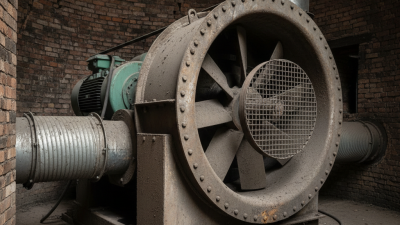
Centrifugal fans, on the other hand, are suitable for conveying smoke and gas away from the combustion area. These fans create higher pressure and are ideal for large incineration facilities. Their design allows for flexibility in ducting, which can be essential for complex installations. Users must consider the specific requirements of their operation, such as airflow needs and pressure levels, before making a choice.
In practice, while choosing the right fan, customers might overlook maintenance requirements. A fan that is easier to maintain can enhance reliability in the long run. Additionally, factors like noise levels and energy efficiency should not be ignored. They can impact not only operational costs but also the comfort of nearby environments. Evaluating different types of incinerator fans is beneficial, but addressing maintenance needs and costs can truly refine the decision-making process.
Assessing Performance Specifications for Optimal Selection
Choosing the right incinerator fan requires careful attention to performance specifications. You need to analyze the airflow rate, pressure rating, and power consumption. Each fan is designed for specific applications. A higher airflow rate means better smoke and heat dispersion. However, efficiency should not be compromised. Select models that balance power and performance.
Durability is another crucial factor. Look for fans made with robust materials. Corrosion-resistant options can last longer in harsh conditions. While you might find cheaper fans, they may not withstand prolonged use. Consider long-term costs, not just the initial price. Are you ready to invest in longevity?
Noise levels also matter. Some fans operate quietly, while others produce significant noise. This could affect nearby environments. Testing noise levels before choosing can save you future headaches. Remember, the most powerful option isn’t always the best one for your needs. Reflect on your specific requirements and constraints.
Performance Comparison of Incinerator Fans
Maintenance and Durability: Ensuring Longevity of Your Incinerator Fan
When selecting an incinerator fan, maintenance is crucial for longevity.
Regular inspections can prevent breakdowns and costly repairs. Dust and debris can accumulate, affecting performance. Keeping the fan clean helps maintain efficiency.
Simple actions, like changing filters and lubricating moving parts, can extend the life of your fan.
Durability is another important factor. High-quality fans resist wear from constant use. At the same time, improper installation can lead to issues. Ensure that your fan is set up correctly to avoid unnecessary strain.
Consider using corrosion-resistant materials, as incineration can expose components to harsh conditions.
Many overlook the importance of manufacturer guidelines. Adhering to these recommendations ensures optimal performance.
Regular check-ups can catch potential problems early. Fans exposed to high temperatures and abrasive materials face unique challenges.
Think about your specific needs and the environment your fan will operate in. Each choice impacts overall performance and durability.